A code on your things. Whoever finds them writes to you.
No app, no chip, no subscription: a label, a code, and a message that reaches you without anyone knowing who you are.
You create a code for each item
An e-mail address is enough (or your Telegram account). For each item — keys, phone, bag, bike, cuddly toy — you get a unique 8-character code, chosen so that no character can be mistaken for another (no O or 0).
You print the label at home: on a sheet of sticky labels, or in keyring, bank-card or luggage format. It carries a QR code and the code in plain text, with a short message of your choice, such as « Found me? Please return me to my owner ».
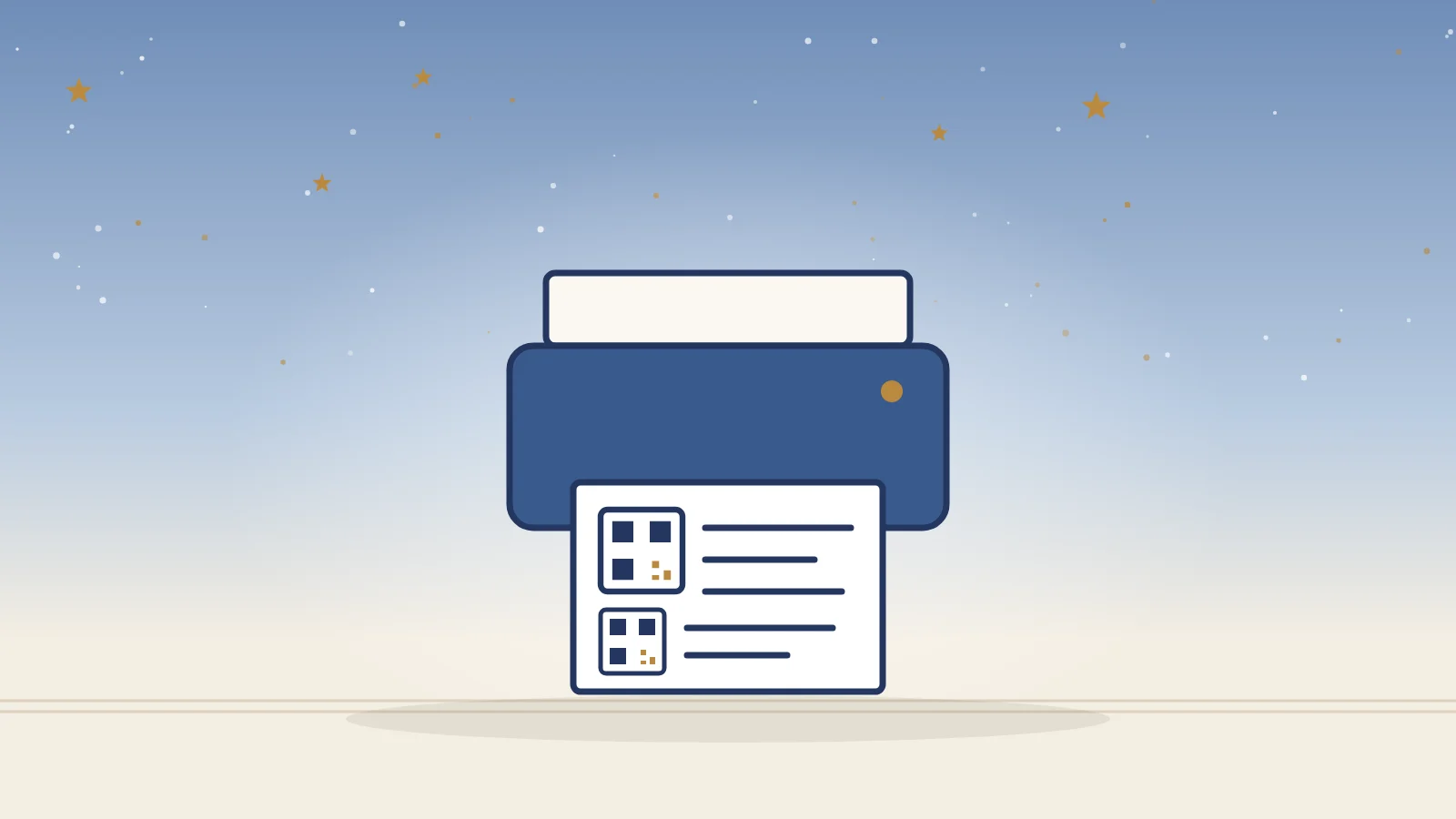
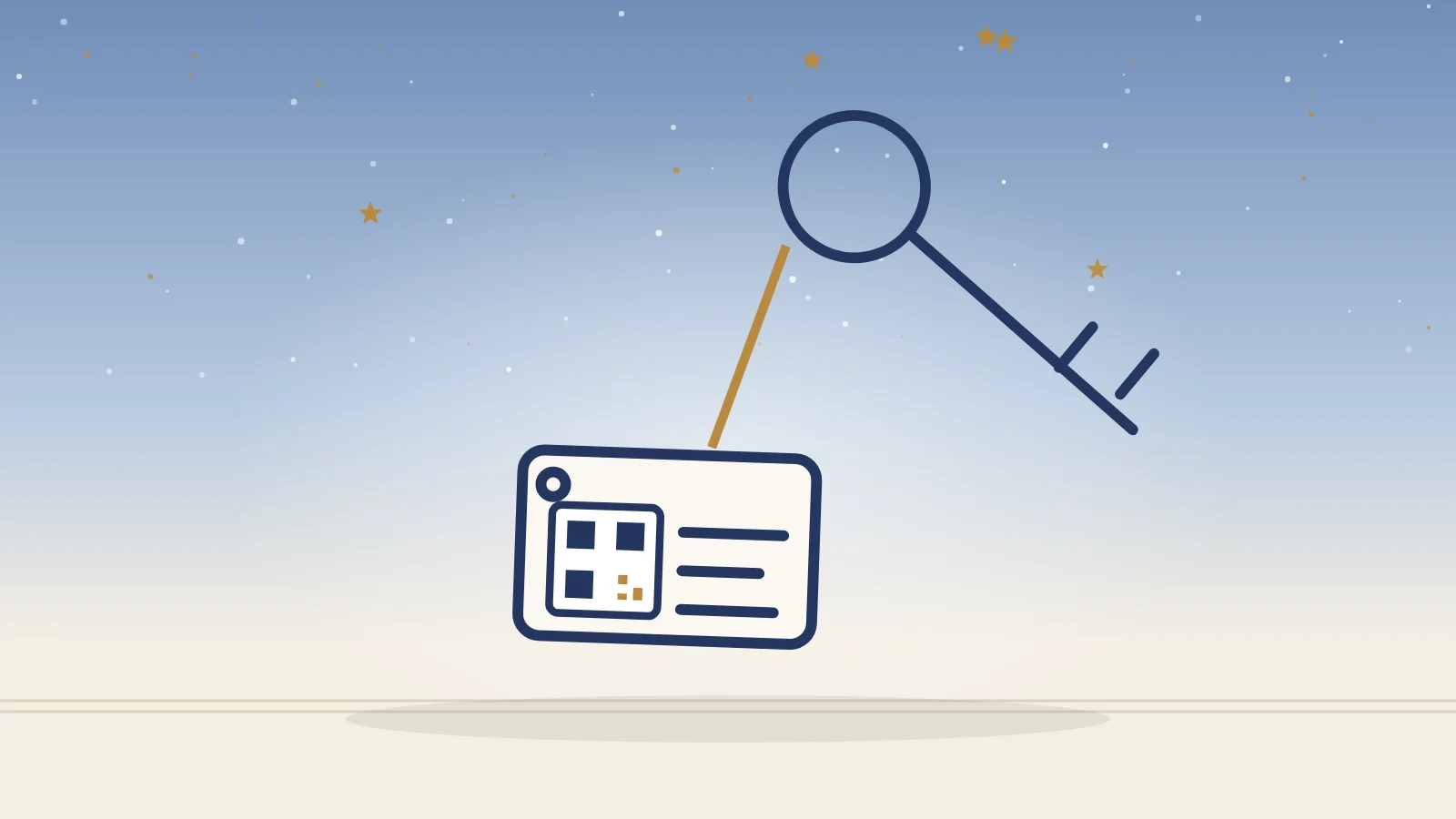
You stick it on the item
On the keyring, on the back of the phone, inside the bag, on the suitcase. Nothing else is on it: no name, no number, no address. Whoever comes across it can learn nothing about you.
You can manage up to 30 items, rename them, switch a code off or ask for a new one if a label is lost.
Someone finds the item and scans the code
They scan the QR code with their phone's camera, or type the code on the home page. They land on a simple page: the item's name, possibly a note that a reward is promised, and a box to write in.
They need no account and nothing to install.
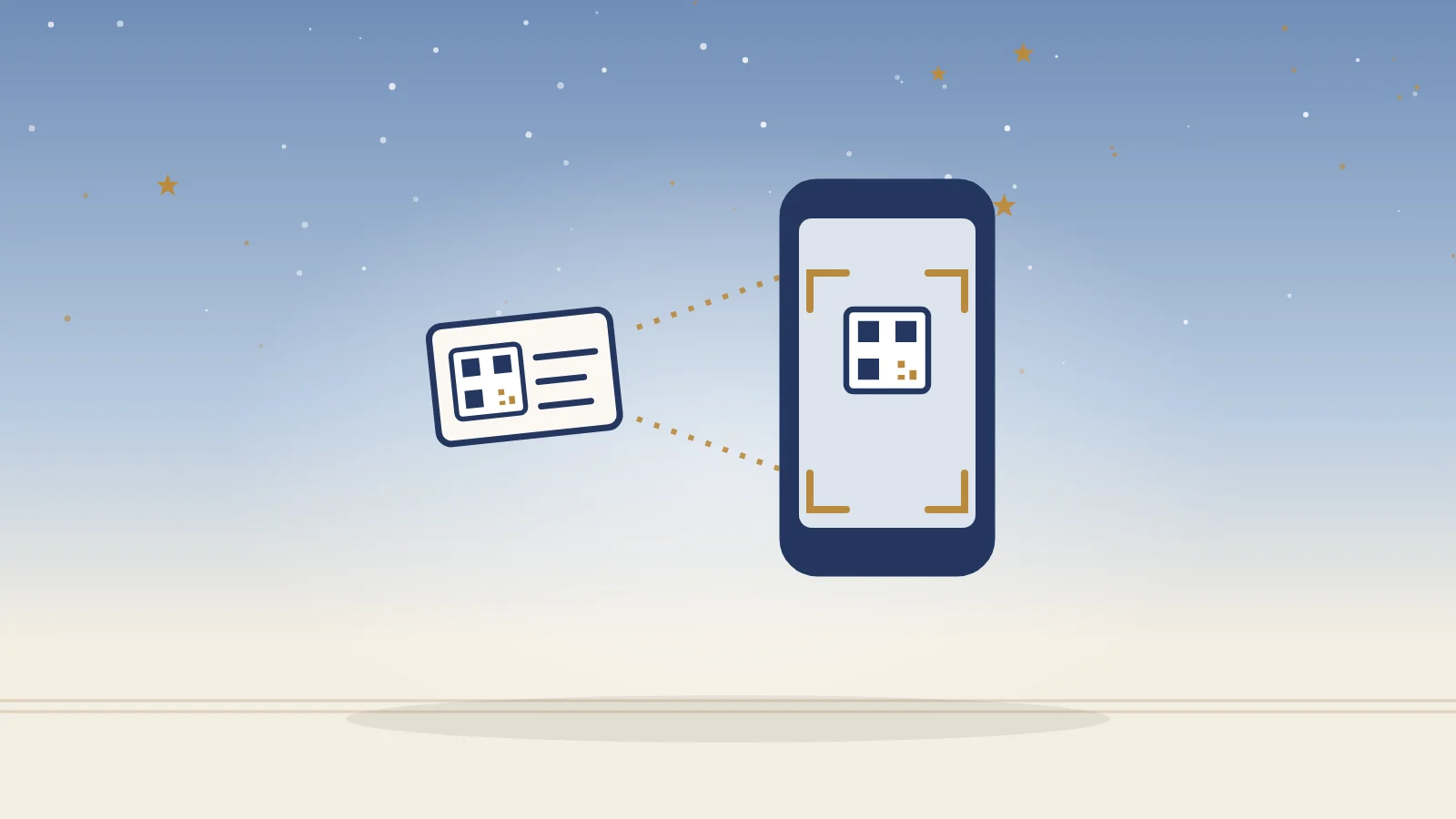
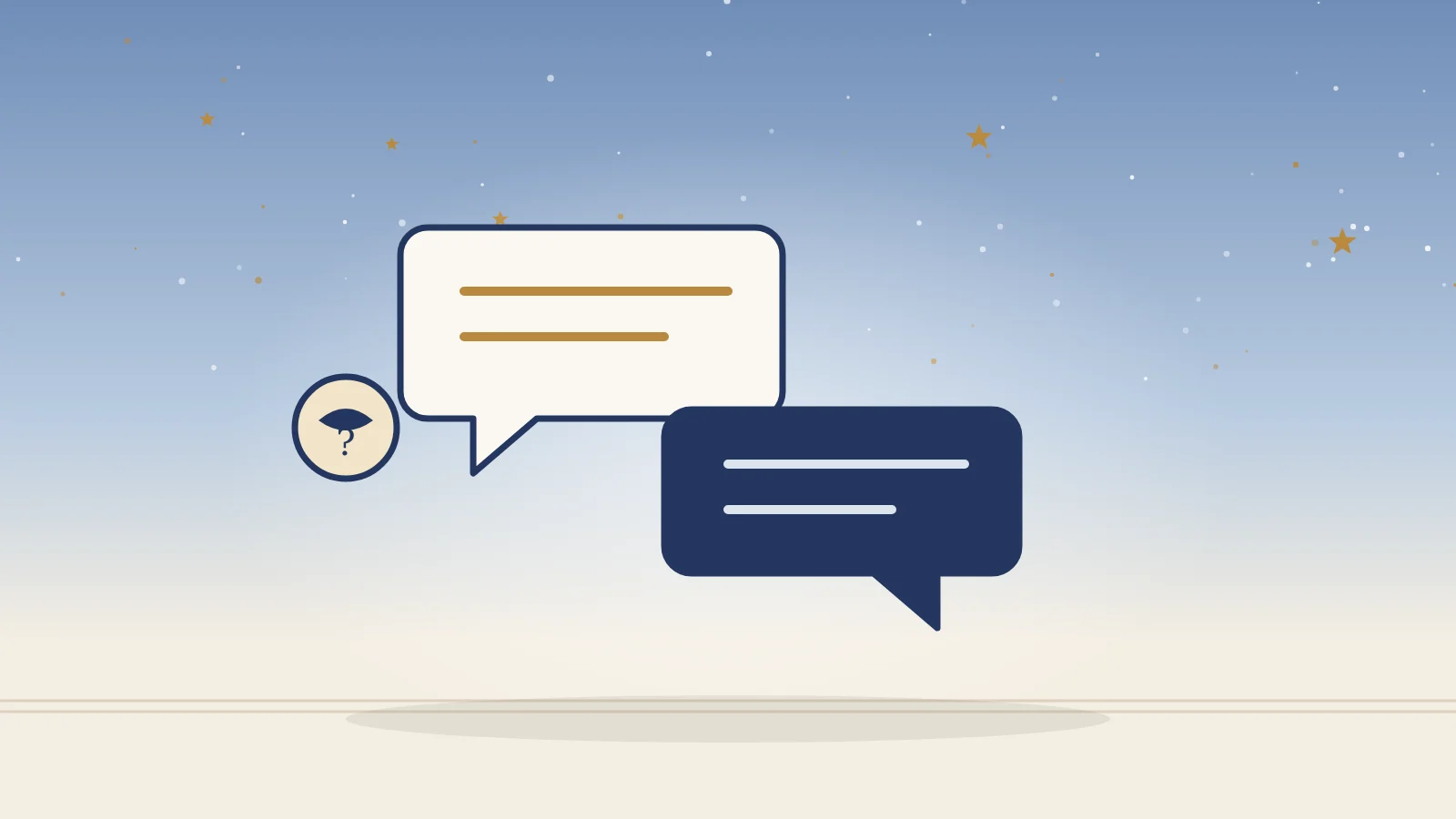
They write to you, without knowing who you are
Their message goes through Bonne Étoile, which passes it on to you. You answer the same way: it is a relayed conversation, where no address is exchanged unless you decide to give one.
If they wish, the finder can receive your replies by e-mail, without their address being shown to you.
You are told right away, and you sort it out
An alert reaches you at once, by e-mail or on Telegram, so you can answer straight away. You agree on a place and a time, a drop-off at a shop or at a building's front desk — whatever suits you.
Once you have the item back, you mark it as returned. And if a message looks suspicious, you can block or report the conversation.
Free, and it will stay that way
Creating codes, printing labels, receiving messages: everything is free, and will stay free. No subscription, no « premium » version, no card asked for.
Losing your keys is annoying enough. Getting them back should not depend on what you can pay.
Your data is not exploited
Bonne Étoile keeps only what it needs to work: your e-mail address, the names of your items and the messages exchanged. Nothing is sold, nothing is shared, nothing is used to target you.
Conversations are deleted 90 days after the last message, IP addresses are never recorded, and you can delete your account and all your data in one click. The details are on the Privacy page.
How the site pays for itself
Running Bonne Étoile costs little: light hosting and sending alert e-mails. To cover these costs, the site funds itself through discreet advertising, shown only on content pages such as the blog.
Never on the page of the person who found your item, never on forms, never in your conversations. And it is not your data that pays: it is advertising, as with a free newspaper.
A personal need, turned into a service for everyone
Bonne Étoile was born from a very specific need of its designer, the creator of Graine Digitale: a simple, reliable, privacy-friendly way to get lost belongings back. No such tool existed.
So it was built. And once the tool existed, letting everyone use it cost no more. Opening it to all was the natural next step.

The questions people ask us
Do I need to install an app?
No. Everything happens in the browser, for you and for the finder. All they need is their phone's camera to scan the QR code, or to type the code on the site.
Can the finder find out who I am?
No. They only see the name you gave the item and a form. Your name, e-mail or town are never shown to them, unless you choose to share them in the conversation.
What if I lose the label, or someone copies it?
From your space, you can switch a code off at any time, or ask for a new code for the same item. The old one then leads nowhere.
Can I promise a reward?
Yes, by ticking a box on the item. The finder sees that a reward is promised, with no amount: you agree on it together.
How many items can I protect?
Up to 30, all free.
Ready to protect your things?
Two minutes, an e-mail address, and your labels are ready to print.